Why Your Toilet Keeps Running
A running cistern has three possible causes, and a licensed plumber narrows it to one on the spot. This is why a toilet keeps running: a part inside the cistern has stopped holding water between flushes.
If we're late, $100 comes off your bill

- Licensed and InsuredEvery job done by a licensed plumber. QBCC No: 15024607
- Fixed Quote FirstFlat-rate pricing, agreed before any work starts
- Lifetime Labour WarrantyBacked by our Fix-It-or-It's-Free guarantee (T&Cs apply)
- $0 Call-Out FeesNo extra charge for nights, weekends or public holidays
The water bill is the reason to act. Renters and owners alike often meet a failing cistern as an account that rises though nothing at the tap has changed.
This guide for Margate households names the three faults, the colour test that confirms a leak, and the line where home owner repairs stop.
The Three Causes of a Running Toilet
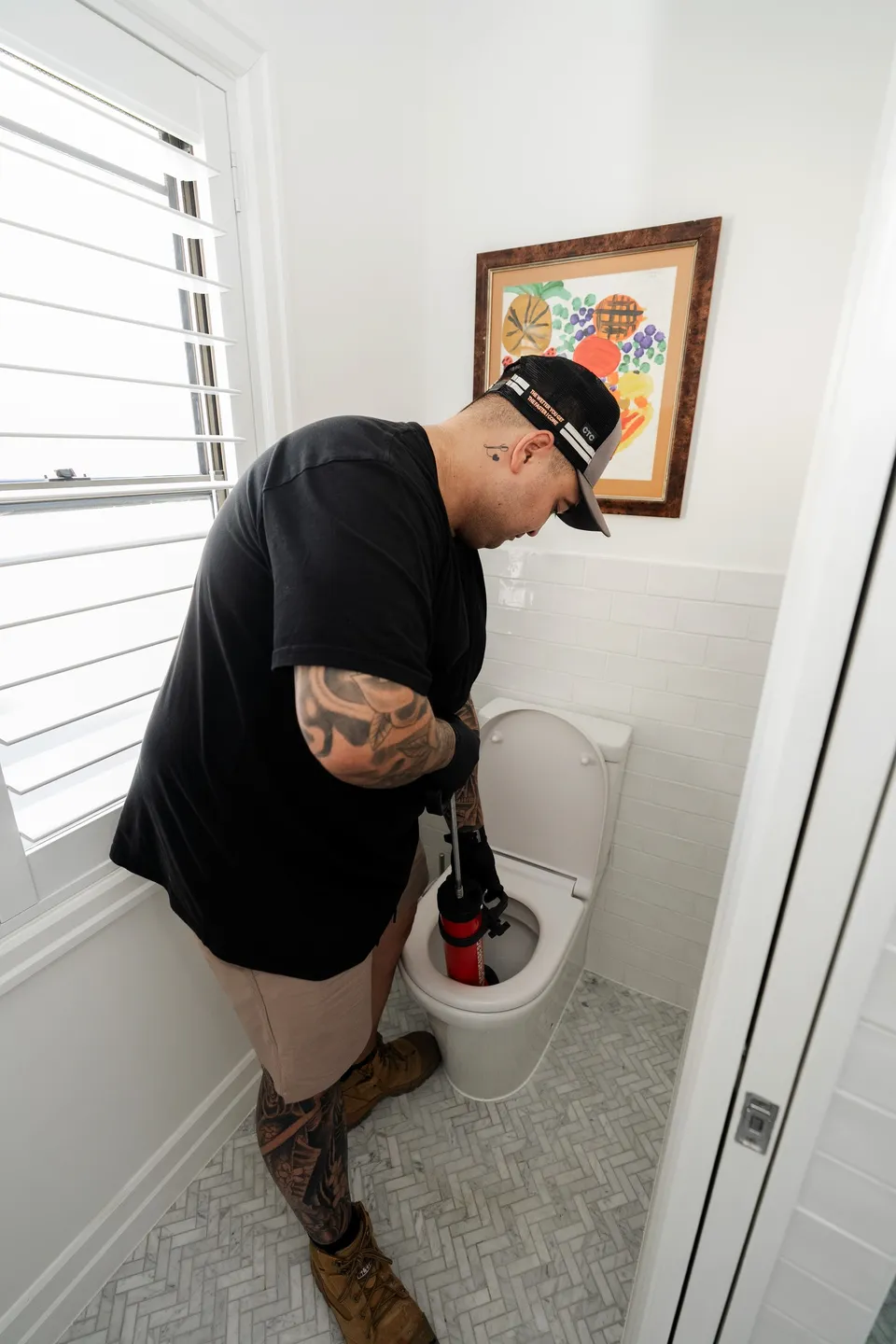
Three faults cover almost every running toilet: an inlet valve that will not close, a flush valve seal leaking water into the pan, or a fill level above the overflow. Each part has a plain job, and each failure leaves its own signature.
The inlet valve refills the tank after each flush and stops when the float reaches the set level. A worn or blocked inlet valve fills slowly or never stops filling.
The flush valve sits at the bottom of the cistern and holds the water between flushes. When the flush valve seal wears, water slips past the seal into the bowl, and the inlet valve keeps topping the tank up.
The overflow gives excess water somewhere to go besides your floor. If the inlet valve fails to close or the float is set too high, water climbs to the overflow and runs out through it.
Match your symptom to its fault:
A hiss that carries on after the refill
The inlet valve is still passing water the valve should have stopped.
The tank refilling itself every few minutes with nobody flushing
The seal on the flush valve is letting water drain into the bowl, and the inlet valve keeps replacing it.
A steady trickle into the bowl, or a drip from the overflow pipe outside
The tank is filling past the set level, which means the inlet valve or the float needs attention.
Check for a Silent Leak With Food Colouring
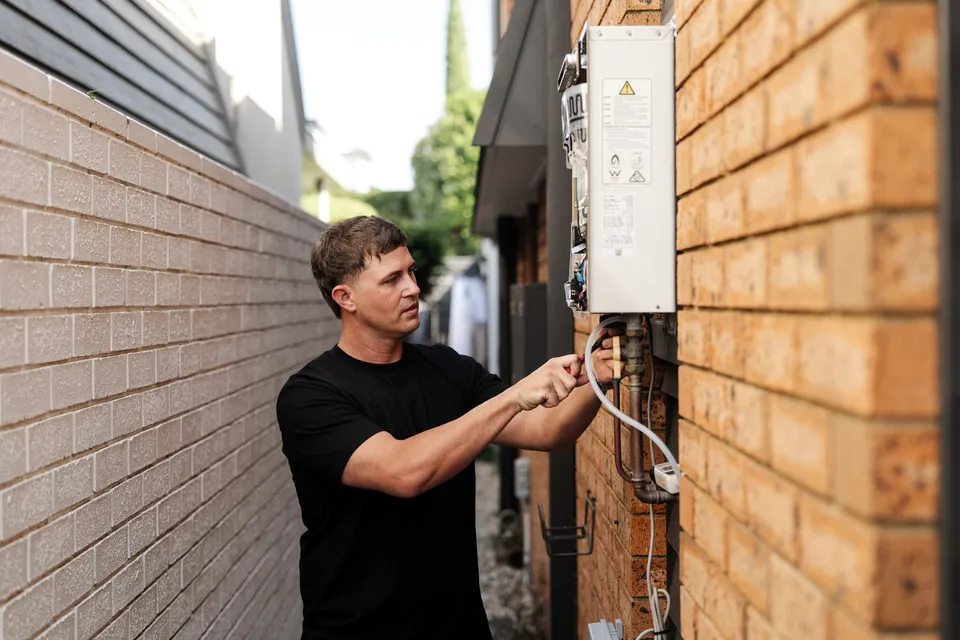
Run the test this way: drip some food colouring into the tank, leave it unflushed, and wait.
If the bowl stays clear, the outlet side is holding, and the inlet valve and fill level come next.
No colouring in the cupboard? Place a sheet of dry toilet paper high inside the bowl, above the waterline. Paper that ends up wet means a trickle is creeping down the rear face of the bowl, which points to the same leaking seal.
- 1

Add the colouring
Enough drops to tint the tank water clearly are all you need.
- 2

Leave it unflushed
Wait without flushing, and resist the urge to check early.
- 3
Read the bowl
Colour arriving with nothing flushed means water is escaping past the outlet seal.
- 4

Flush afterwards
The colouring won't stain ceramic, and one flush clears it.
Plumbing job in Margate?
$0 call-out fees, available 24/7, and same-day where we can.

Slow, Partial or No Refill After a Flush
A cistern that won't fill usually traces back to a worn or partly blocked inlet valve, a float set below the fill line, or a stop tap that isn't fully open.
Work through the signs in that order:
Check the stop tap
The small isolation valve feeding the cistern sometimes gets knocked partly closed, and opening the stop tap fully fixes the refill.
Watch the float
A float set below the fill line closes the inlet valve early and leaves a weak half-flush.
Listen at the inlet valve
An inlet valve that hisses or dribbles without ever filling is worn or blocked inside.
One pattern deserves its own note. If you hear water running yet the level never rises, the outlet seal may be draining the tank as fast as the tank fills, so the cistern can never win that race.
Where Home Owner Toilet Repairs Stop
The QBCC, Queensland's building regulator, allows a householder to swap three cistern parts: the float valve washer, the suction cup rubber and the drop valve washer. The QBCC classes this as unregulated work: no licence, no approval and no report needed, though the finished work still has to reach the standards the rules set.
The rest of a toilet's repairs sit in the minor work category, which a QBCC licensee carries out. Neither a permit nor a Form 4 is needed.
Rentals follow their own track. The owner or manager keeps the place in good repair, and the tenant tells them about a fault as soon as the fault appears. Queensland's emergency list for rentals covers a toilet that cannot be flushed, and a running cistern is not on the emergency list, so the repair is routine.
A routine repair is done within a reasonable time after the tenant reports it. With 768 flats and apartments counted here at the last census, tenants in the walk-up blocks often hear a running suite first, through a shared wall.

Does the Water Utility Cover a Running Toilet
No, Unitywater's concealed leak adjustment leaves out water wasted by a leaking cistern, along with leaking taps and other water-using appliances. The property owner holds primary responsibility for leaks on the property, and the losses from those leaks land with the owner.
That makes a running cistern one of the few faults where fixing the cistern early costs less than the water the cistern quietly meters.
When to Hand the Job to a Plumber
Call us once the colour test points at the outlet seal, or the inlet valve refuses to close, or the refill never finishes. Those jobs are minor work for a licensee.
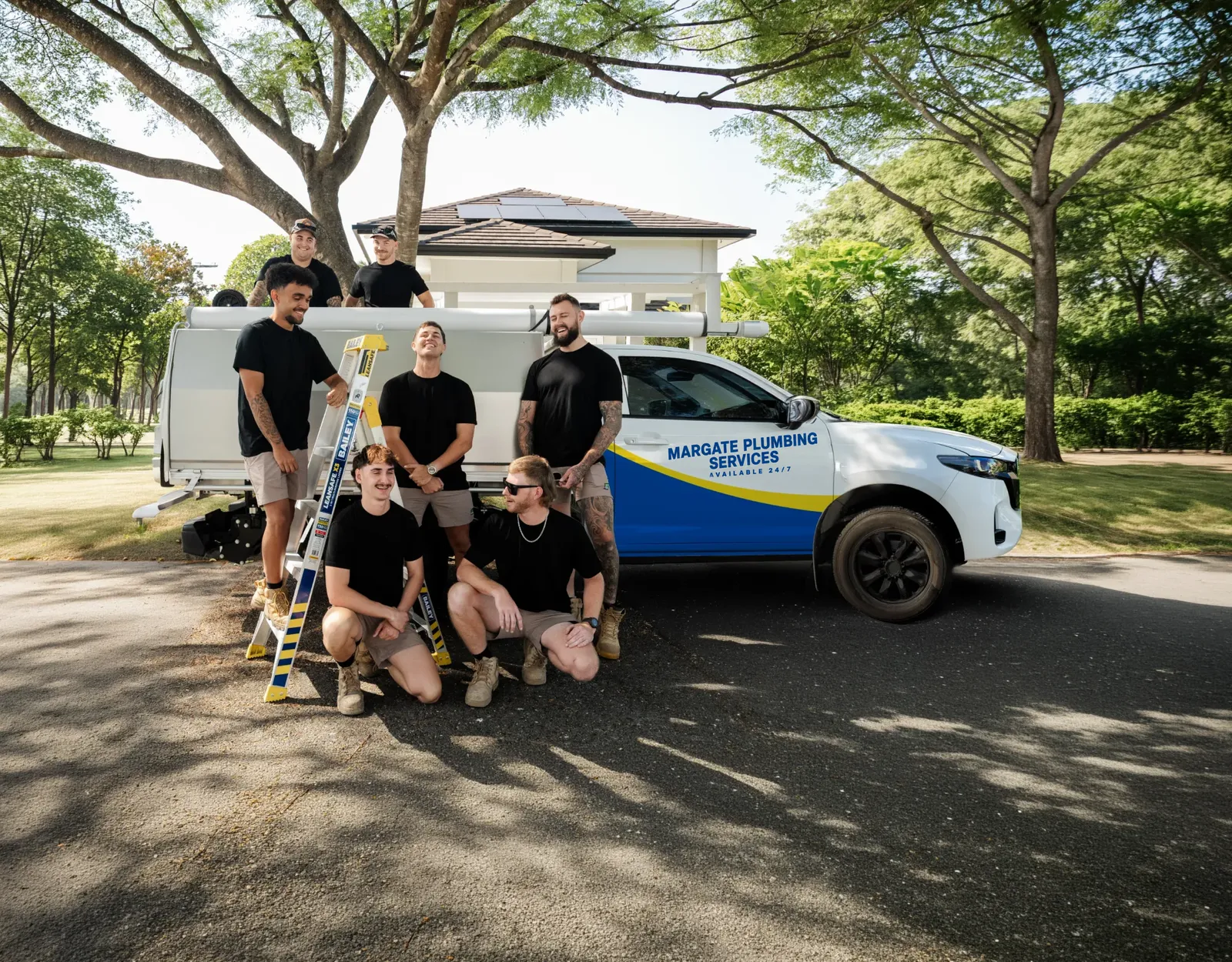
Margate Plumbing Services does every job with a licensed plumber, and the toilet repairs service covers cistern rebuilds, valve swaps and the repair-or-replace call on an old suite.
Running Toilet Questions Answered
Call (07) 3523 7121Why won't my toilet in Margate stop running after a flush?
Three faults cover nearly all cases: an inlet valve that never shuts off, a flush valve seal dripping into the bowl, or a fill level above the overflow. A hiss after the refill points at the inlet valve, and a tank that refills itself points at the seal.
Will food colouring stain my toilet bowl?
No, the colouring won't stain ceramic, and a flush afterwards rinses it away. If no colour reaches the bowl, the outlet side is holding and the fill level is the next check.
Can I fix a running toilet myself in Margate?
No, not beyond three cistern parts. The QBCC treats them as unregulated work a householder may do, and the work has to satisfy the standards. Every other toilet job is minor work for a licensed plumber.
Which parts inside a cistern can I legally replace?
The QBCC names three: a float valve washer, a drop valve washer and a suction cup rubber. A householder with the needed know-how may do the swap, and the result has to meet the standards. Everything else inside the cistern belongs to a licensed plumber.

Talk to Us About Your CisternWe'll call you back.
Ring (07) 3523 7121 and tell us what's wrong. You get $0 call-out fees, a fixed quote before any work starts and same-day where we can, 7 days a week.
To claim your $0 call-out fee, call (07) 3523 7121 today.