Old House Plumbing in Margate
Timber-and-tin cottages and postwar weatherboard homes make up much of the peninsula's older housing, and their plumbing lives under the floor rather than inside it. Old house plumbing in Margate therefore means three things: pipework you can walk beneath, steel that rusts from the inside, and a rulebook that wakes up the day you renovate.
If we're late, $100 comes off your bill

- Licensed and InsuredEvery job done by a licensed plumber. QBCC No: 15024607
- Fixed Quote FirstFlat-rate pricing, agreed before any work starts
- Lifetime Labour WarrantyBacked by our Fix-It-or-It's-Free guarantee (T&Cs apply)
- $0 Call-Out FeesNo extra charge for nights, weekends or public holidays

Margate homeowners call Margate Plumbing Services for this work because every job is done by a licensed plumber who knows what these houses were built with.
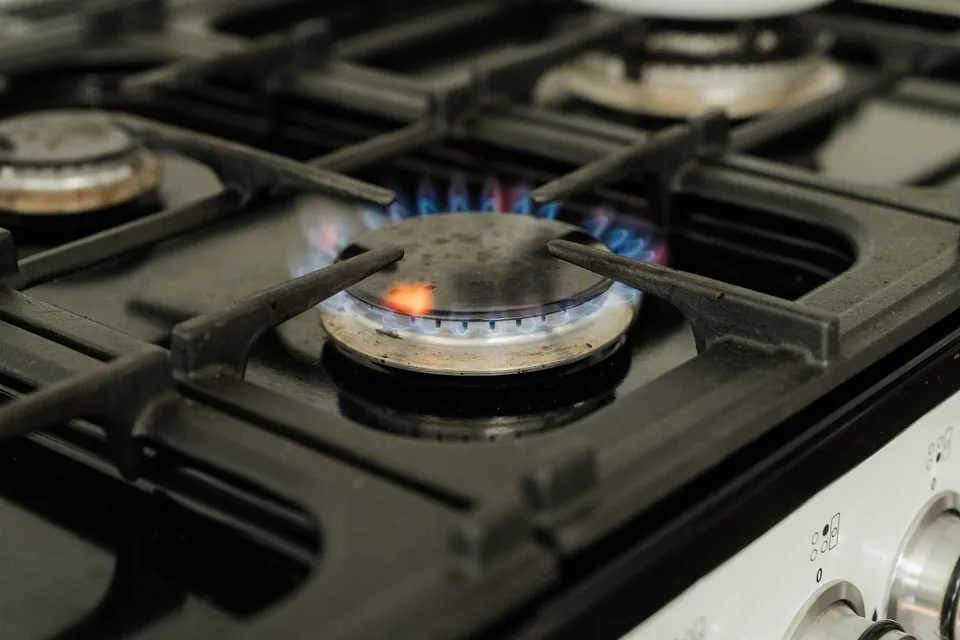
What Runs Beneath and Behind an Older Floor
In a stump-founded house the water, waste and gas pipework runs through the open space below the floor, where a torch shows you every run. A slab house is the reverse: the pipework sits in the slab itself and inside the walls. Reaching anything there means cutting into the building.
Plenty of trouble shows itself without opening anything:
- soil beneath a pipe gone wet or soft, or drips hanging off a joint;
- rust staining on pipes, clips and fittings;
- damp or stained timber on joists and flooring;
- a musty smell in the under-floor space that never fully dries.
Salt makes each of those worse. Margate faces open water along its entire eastern edge, and the salt in those breezes attacks bare copper and steel under older timber floors faster than an inland suburb would see.
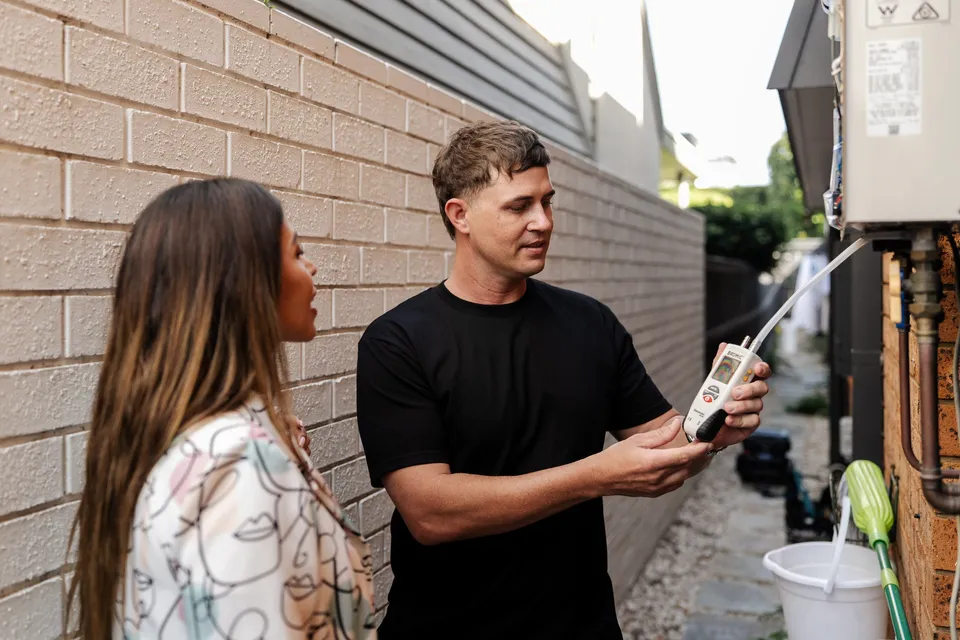
What the Age of Your Water Pipes Means
Galvanised pipe warns you in three ways: rusty or brown water, flow that drops across multiple taps at once, and leaks that return on one stretch of pipe. The material is steel given a zinc coating, and once that coating wears through, the steel rusts from the inside out. That internal rust is what discolours the water and chokes the flow.
One date matters for the joints. Lead-based solder joining brass fittings to copper pipes was common across Australia until 1989. That date is why the vintage of the supply pipework is worth knowing in any pre-war or postwar home.
We confirm what the pipes are made of and what state they are in when we inspect, because no rule says a house of a certain age holds a certain pipe. If a replacement is on the cards, water pipe repairs sets out how the work runs and how the Form 4 paperwork is lodged.

What a Renovation Sets Off in an Older Home
Most plumbing work that a renovation sets off in an older home falls under notifiable work. A licensed plumber carries it out with no council permit, then lodges a Form 4 with the QBCC and hands you a copy.
The Regulation calls a building existing when it already has a water supply and drainage in place, which describes practically every older house on this side of the peninsula.
Some situations shift the category or add extra requirements:
- the home sits on a shared combined drain or draws from a dual reticulated supply, which pushes the job into permit work with a council application first;
- a new or replacement water heater requires a temperature control device, which caps the water reaching the taps at 50°C, and fitting one is notifiable work as well;
- adding a shower or similar hygiene fixture triggers the same device, while swapping a washer or a shower head does not;
- most houses built before 1990 contain some asbestos, so a reno on one takes extra care.
Two pieces of housekeeping are worth knowing. A plumbing permit follows the property, not the owner, so one from earlier work still binds whoever holds the title today. You can also search an address on the QBCC's online record of notifiable work, and request a copy of any Form 4 lodged at the property.
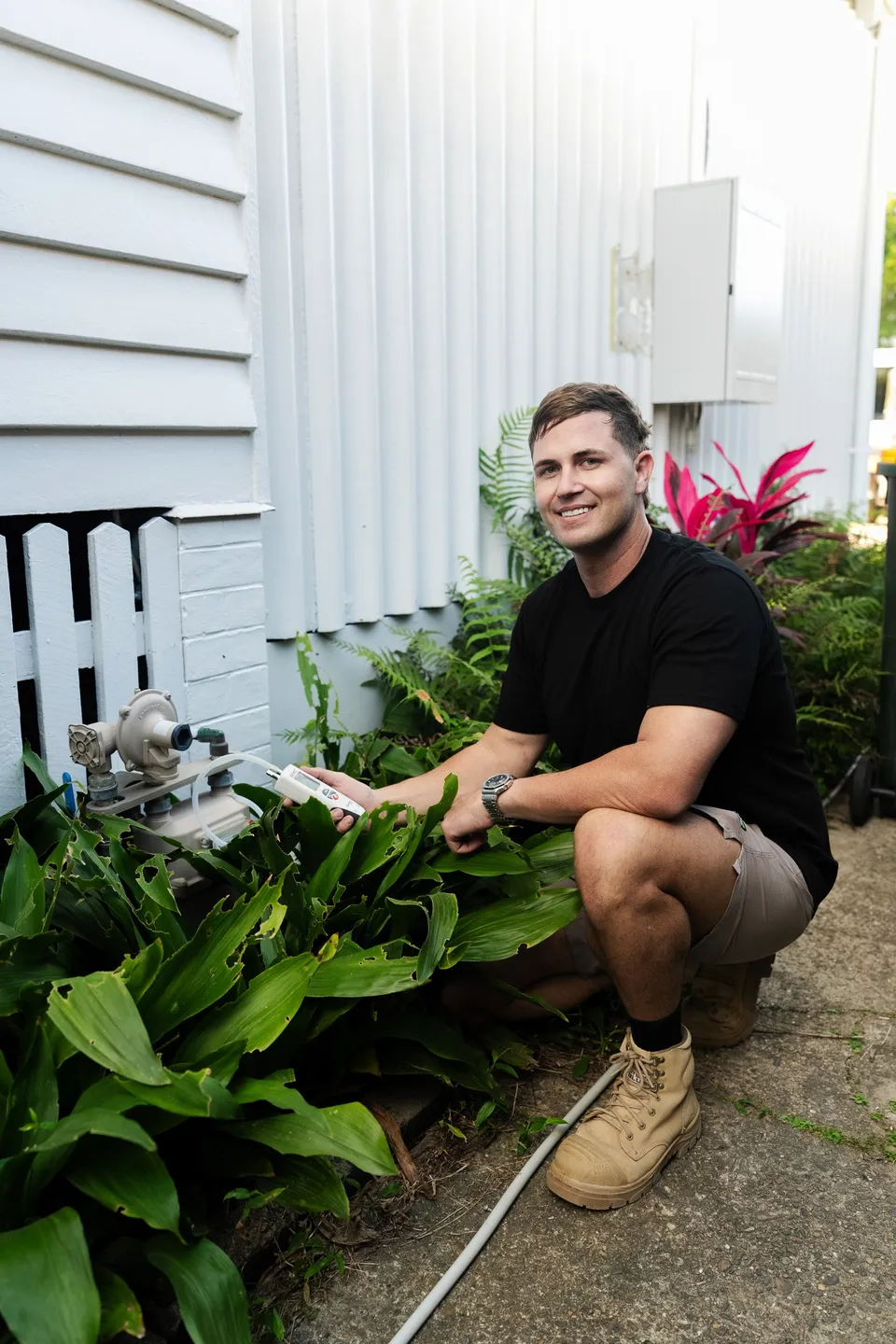
Corrosion and Wear in Older Gas Pipework
Only a licensed gasfitter may install, alter, repair, service, test or certify gas pipework and its connections, including every old stretch under an older floor. The Queensland Government asks owners to look over their gas system now and then for rust, decay or physical damage, and to keep anything flammable away from the appliances.
Two protections sit in the rules:
- under the gas work rules, a gas worker who spots a safety concern hands the owner a defect notice, unless the concern is put right during the visit;
- if you smell gas, switch the appliance off, let fresh air through, and don't touch any light switch or power point;
- if the smell lingers, close the valve at the meter or bottle and phone (07) 3523 7121;
- ring 000 when it will not clear.
The paperwork side, including when certificates are issued, sits on the gas compliance certificates page.
The Housing Mix That Shapes the Work
At the last census, separate houses made up 71.6 per cent of the suburb's 3,237 dwellings. Plenty of those are timber-and-tin or postwar builds rather than slab construction, which is why under-floor checks matter here. The council's Margate operations depot, with its offices, workshops and sheds, sits among the same streets as cottages whose pipework has been patched and rerouted over generations.
Old house plumbing on this side of the bay is rarely one system: it is several vintages joined together.
How We Work on an Older Home
- 1

Tell us what's happening
Call (07) 3523 7121 or send the form with a few details about the problem in Margate. A clear description helps us bring the right parts.
- 2

We inspect from below and behind
We get under the floor where the stumps allow it and follow the supply, drain and gas runs, noting the pipe material, the joints and any past repairs before we quote.
- 3

Approve a fixed price
You get a fixed quote before any work starts, with flat-rate pricing and no hidden fees. Nothing goes ahead until you say yes.
- 4

Pay when it's finished
Pay by card or EFTPOS on site once the job's done, or ask about Fix now, pay later.
Plumbing job in Margate?
$0 call-out fees, available 24/7, and same-day where we can.
Older Home Plumbing Questions
Call (07) 3523 7121What's different about the plumbing in an older Margate home?
Repairs and alterations from different decades sit on top of each other, so the pipe material and its condition vary from room to room. Expect runs beneath the floor rather than in it, older gas fittings, and renovation rules that apply the moment you start changing things. We identify what is there before touching anything.
Where do the pipes run in a timber house on stumps?
The supply, drain and gas lines usually travel under the floor between the stumps, so you can follow most of the run by looking up from below. A slab home tucks the pipework into the slab itself and the wall cavities, so repairs start by opening something up.
How do I check the plumbing in an old house?
Look at what shows without pulling anything apart: damp patches, wet soil, stained timber, rusty pipework, brown water, taps that run weak, and dripping joints under the house. We check the rest on site, and the leak detection page steps through the meter test for hidden losses.
Why is the water brown in my older Margate home?
Brown or rusty water is the classic sign of steel pipe rusting from the inside, though we confirm the cause once we see the pipework. If the colour appears at more than one tap, the supply line is the likely culprit, and the water pipe repairs page covers the replacement.
Was lead used in old plumbing?
Yes, solder containing lead was used on brass fittings and copper pipes across Australia until 1989. That date is why the age and condition of the water service pipework matter in an older home, and we report on both when we inspect.

Call Us About an Older HomeWe'll call you back.
Ring (07) 3523 7121 and tell us what's wrong. You get $0 call-out fees, a fixed quote before any work starts and same-day where we can, 7 days a week.
To claim your $0 call-out fee, call (07) 3523 7121 today.